When a storm knocks out power in Southwest Missouri, many homeowners start thinking about backup power.
But one of the most common questions we hear is: “Should I buy a portable generator or install a whole-home generator?”
Both options can provide power during an outage, but they work very differently. Understanding the differences can help you choose the right solution for your home and family.
What Is a Portable Generator?
Portable generators are small, mobile units that run on gasoline or propane. They are typically stored in a garage and brought out during power outages.
Portable generators usually power a few items using extension cords. Common uses include:
- Refrigerators
- Small appliances
- Lights
- Phone chargers
While portable generators can help during short outages, they also come with limitations.
Limitations of Portable Generators
Portable generators require manual setup and constant monitoring. Homeowners must:
- Set up the generator outdoors
- Run extension cords into the home
- Refuel the generator every few hours
- Manually start and stop the unit
They also cannot safely power an entire home unless connected through a professionally installed generator transfer switch.
What Is a Whole-Home Generator?
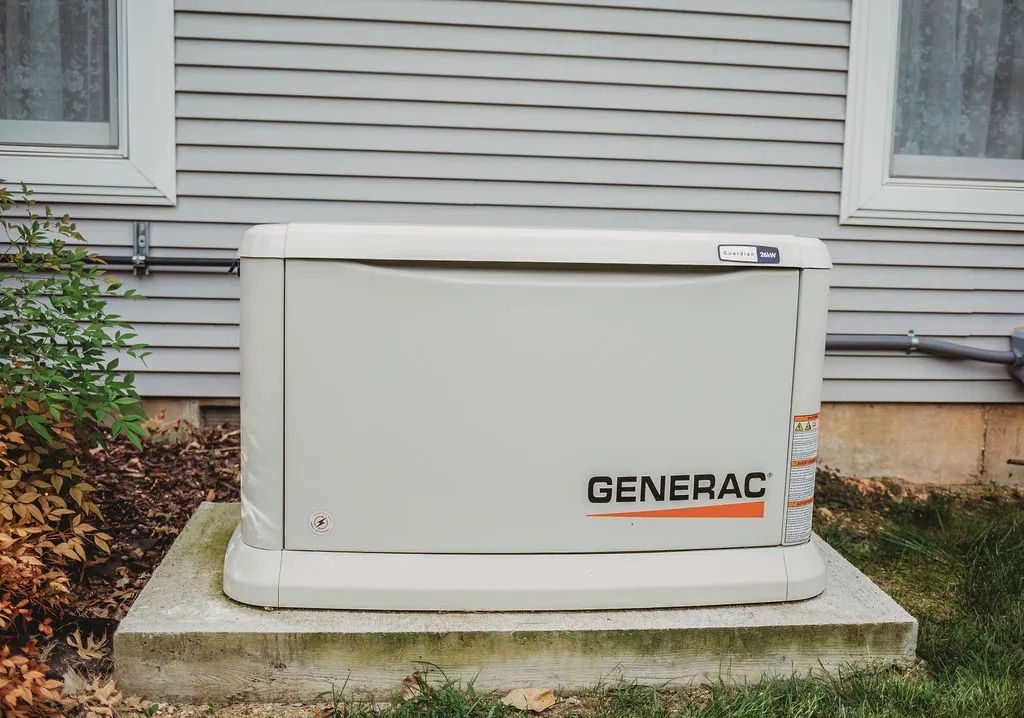
A whole-home standby generator is a permanently installed backup power system connected directly to your electrical panel.
These systems automatically turn on when the power goes out and shut off when utility power returns. Whole-home generators typically run on natural gas or propane, meaning your home can stay powered through extended outages without refueling.
Benefits of Whole-Home Generators
Homeowners across the Four-State Area are increasingly choosing whole-home generators because of the convenience and protection they provide. Benefits include:
- Automatic power restoration
- Power for the entire home
- No extension cords or manual setup
- Safe integration with your electrical panel
- Continuous fuel supply (natural gas or propane)
For families with medical equipment, home offices, or young children, having reliable backup power can make a big difference during severe weather.
Which Generator Is Right for Your Home?
Here’s a simple way to think about it.
Portable Generator — Best for:
- Occasional short outages
- Powering a few appliances
- Budget-friendly backup power
Whole-Home Generator — Best for:
- Frequent or extended outages
- Whole-home protection
- Automatic power restoration
- Long-term convenience and reliability
Many homeowners choose whole home generator installation because it eliminates the stress of managing power manually during severe weather.
Storm Season Is the Best Time to Plan Ahead
Severe storms are common across Southwest Missouri, Southeast Kansas, Northwest Arkansas, and Northeast Oklahoma — especially during spring and summer.
The best time to plan for backup power is before the next outage happens. Installing a generator ahead of storm season ensures your home is ready when severe weather arrives.
The JB Electric Standard of Excellence
At JB Electric, our licensed electricians specialize in professional generator installation and electrical upgrades for homeowners across the Four-State Area.
Our team takes pride in providing clean, safe installations that protect your home and your family.
Because when it comes to electrical work, excellence isn’t optional. It’s the standard.
⚡ Thinking about installing a home generator? Let’s talk about what’s right for your home.